Traditional market in Malaysia

Fairs & Craft Markets
The Soul of Malaysia

Immerse yourself in the effervescence of Pasar Malam, discover ancestral craftsmanship, and optimize your purchases in 2026 with our complete guide for expatriates and travelers.

A Sensory Immersion

Malaysia is a crossroads of civilizations. This richness is manifested nowhere else with as much vigor as in its fairs and craft markets. Whether it's the heady smell of Durian, the clinking of worked metal, or the vibrant colors of Batik, each market is a window into Malaysian culture and traditions.

As an expatriate, mastering the art of navigating these places is not just about shopping; it is an essential integration rite for understanding daily life in Malaysia.

800+

Active night markets

13

States with unique crafts

2026

Updated for this year

-30%

Savings through negotiation

Emblematic Markets of Malaysia

Malaysian Craftsmanship

Central Market (Pasar Seni), Kuala Lumpur

The temple of craftsmanship and Art Deco architectural heritage. A must-see for quality souvenirs.

View details →
Street food Malaysia

Jonker Walk, Melaka

A paradise for antiques and Peranakan street food, open every weekend.

Beach market

Batu Ferringhi, Penang

Seaside atmosphere and textile products.

Malaysian batik

Pasar Siti Khadijah

The most colorful of the traditional markets in Kota Bharu.

Understanding the diversity of markets

1. Pasar Malam (Night Markets)

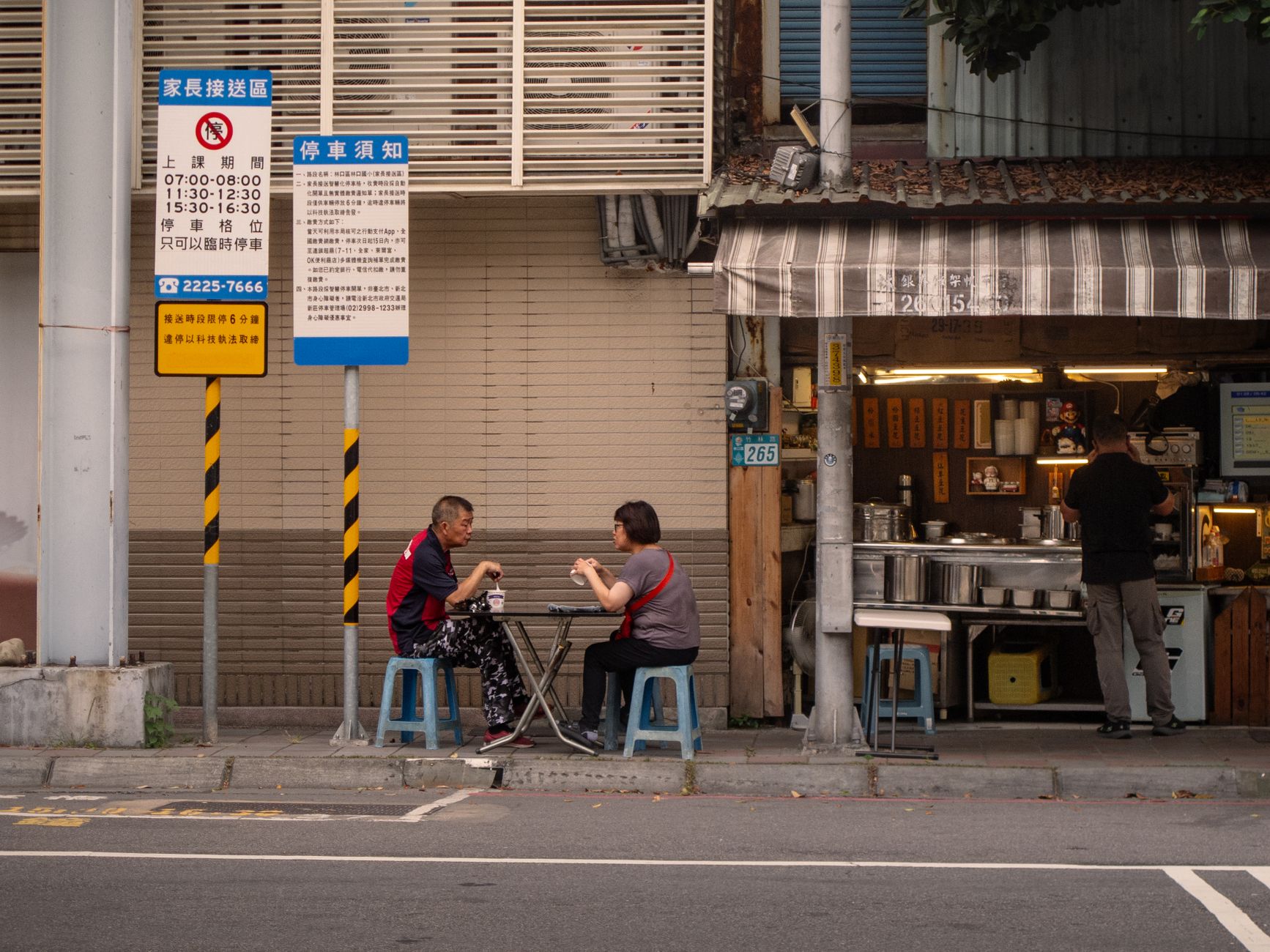
A true institution, the Pasar Malam is a traveling market that sets up in different neighborhoods of the city depending on the day of the week. It is the ideal place to buy fresh fruit, local vegetables, cheap clothing and above all, to taste culinary specialties like Satay, Nasi Lemak or Apam Balik. For expatriates, it's an excellent way to reduce the cost of living in Malaysia.

Tip: Go around 6:30 PM to enjoy the freshness of the products before the crowd arrives at 8 PM.

2. Craft Markets & Creative Fairs

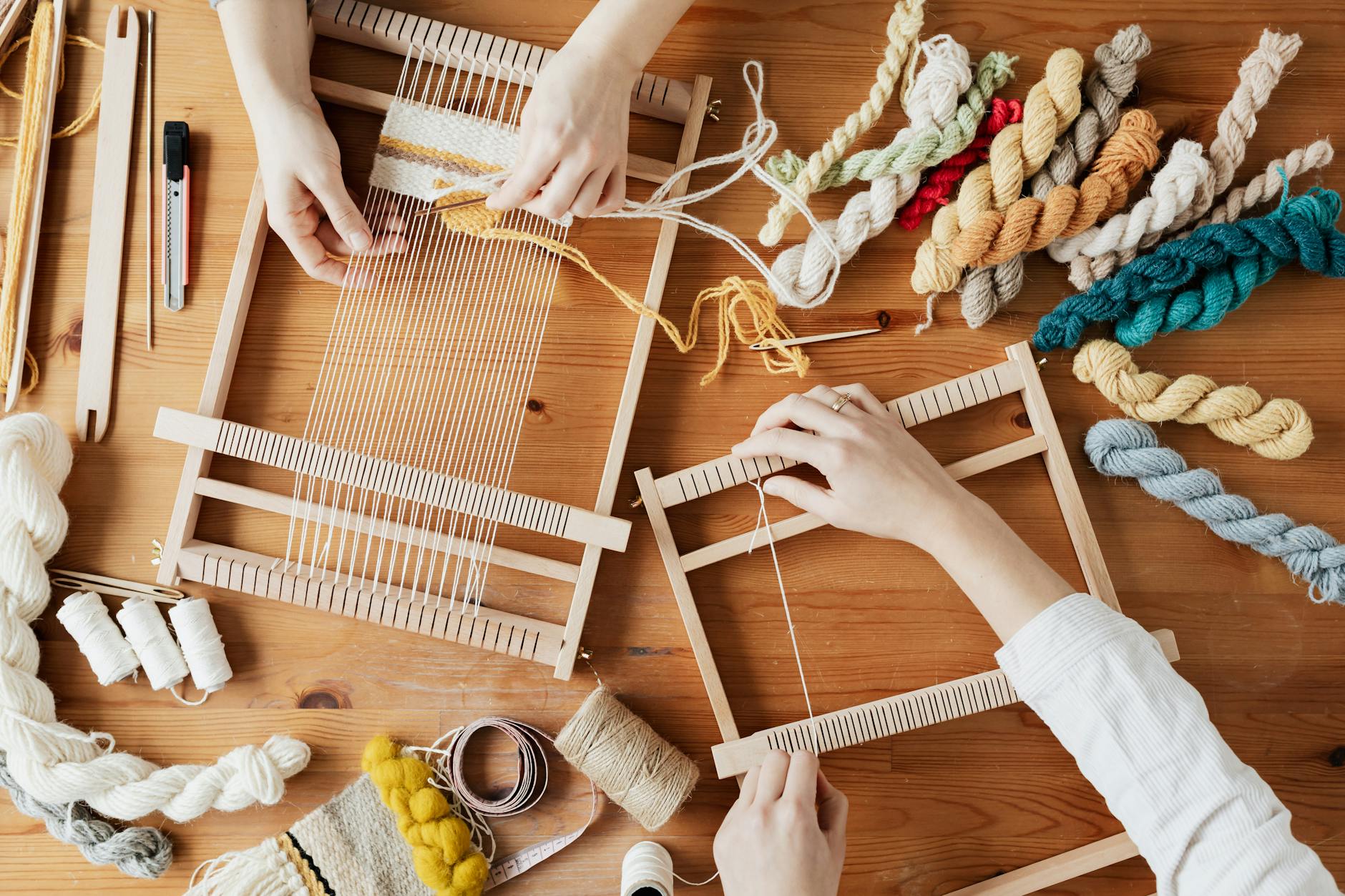
Unlike the more general night markets, craft fairs (like those organized by The Row or Publika in KL) showcase local designers. You will find contemporary Batik, handmade pewter jewelry, and Sayong pottery. Malaysian craftsmanship is a source of national pride and supporting these creators is essential for a sustainable lifestyle.

What to bring back from Malaysia?

  • Batik: Wax-dyed fabric, originating from Kelantan and Terengganu.
  • Songket: Luxury textile woven with gold or silver threads.
  • Pewter Objects: Malaysia is one of the world's largest producers (Royal Selangor).
  • Labu Sayong: Traditional gourd-shaped water jugs.

3. Trade Fairs and Professional Exhibitions

For professionals and entrepreneurs, Malaysia is a hub for sourcing. Events like **MIHAS** (Malaysian International Halal Showcase) or **MIFF** (Furniture Fair) attract buyers from all over the world. If you are considering opening a business in Malaysia, these shows are gold mines for networking and market analysis.

Consult the 2026 trade fair agenda →

Craft Market Budget Simulator

Plan your expenses for a day of exploration. Select the items you wish to purchase to estimate your total budget in MYR and EUR.

Items & Souvenirs

Gastronomy & Street Food

Estimated Total (MYR)

0 RM

Estimated Total (EUR)

0 €

* Estimate based on average 2026 prices. Negotiation can influence the final price.

Driving in Malaysia

The Freedom of a Road Trip

Some of the best craft markets are located outside of Kuala Lumpur. To explore Jonker Walk in Melaka or the textile markets of the East Coast (Kelantan), renting a vehicle is the most flexible solution.

This allows you to transport your bulky finds without stress. Remember to consult our guide on transport in Malaysia and ensure you know the rules for learning to drive in Malaysia if you are staying long-term.

Book a Market Road Trip
Spices

Market Flavors: What to Taste?

Satay

Charcoal-grilled meat skewers, served with a creamy peanut sauce. The scent that emanates from them is the olfactory signal of any good Pasar Malam.

Laksa

A spicy noodle soup whose recipe changes according to the region: Asam Laksa from Penang (sour and fishy) or Sarawak Laksa (creamy with coconut).

Kueh-Mueh

Small sweet or savory bites, often based on sticky rice, pandan, and coconut. A rainbow of natural colors.

Want to cook these delights at home?

Learn to Cook Malaysian

Vigilance & Negotiation Tips

  • 1

    Prepare Cash: Although QR codes (DuitNow) are becoming widespread in 2026, many small craft stalls still prefer cash.

  • 2

    The Art of Negotiation: Negotiate with a smile. In street markets, you can often get a 10 to 20% discount, but avoid haggling in shops at Central Market with fixed prices.

  • 3

    Security: Markets are safe, but stay vigilant against pickpockets in dense crowds. Check our Security in Malaysia page for more info.

  • 4

    Climate: It is very hot and humid. Wear light clothing and stay hydrated. Learn more about the tropical climate.

Typical Hours

Pasar Pagi (Morning): 06:00 - 11:00

Craft Markets: 10:00 - 21:00

Pasar Malam (Night): 17:30 - 22:30

Top Scams to Avoid

Beware of mass-produced "antiques" and luxury brand copies. Learn to recognize them in our Scam Vigilance guide.

They tell of their discoveries

"I found a magnificent Songket at the Kota Bharu market. The artisans are incredibly kind and explained the entire weaving process to me."

— Julie, Expat in KL for 3 years

"Don't miss the Jalan TAR night market on Saturday night. It's the very essence of Kuala Lumpur, a unique blend of Malay and Indian culture."

— Marc, Digital Nomad

"Thanks to the site's budget simulator, I was able to estimate my end-of-year gifts. Malaysian pewter remains a safe bet for family in France."

— Sophie, Retiree in Penang

Frequently Asked Questions

When is the best time to visit the markets?

For fresh produce markets, very early morning (7 AM) is ideal. For atmosphere and food, Pasar Malam come alive at sunset.

Can I pay by credit card?

In large centers like Central Market, yes. In street markets, payments are mostly made in cash or through local apps like GrabPay or Touch 'n Go eWallet.

During which holidays are the markets most lively?

Hari Raya (Eid), Chinese New Year, and Deepavali. During these periods, giant "Bazars" set up everywhere. Consult our holiday calendar.

How do I find out where the Pasar Malam is held tonight?

Each neighborhood has its own designated day. For example, in KL, the Bangsar Baru night market is held on Sundays, while OUG's is on Thursdays. Ask your neighbors or check local neighborhood Facebook groups.

Is Malaysian craftsmanship authentic?

Yes, but check for labels. "Kraftangan Malaysia" products guarantee authentic local manufacturing.

Where to buy real Batik?

Central Market in KL, or travel to Terengganu to see the workshops directly.

Is it safe to eat at street stalls?

Generally yes, prefer stalls with a high turnover of customers. For more precautions, read our Health System guide.

Can I export my purchases easily?

Personal items are not an issue. For large volumes (furniture), you will need to go through a freight forwarder. See Moving to Malaysia.

Are there specific markets for antiques?

Jonker Street in Melaka is the reference, as well as the flea markets of Jalan Lorong Kulit in Penang.

What languages are spoken at the markets?

Malay is dominant, but English is understood by most vendors. Learning a few basic words helps a lot with negotiation: Language Guide.

Ready to explore the markets?

Join our community to share your best addresses and discover the hidden treasures of Malaysia in 2026.