
Flavor Odyssey: Gastronomy in Malaysia 2026
Discover why Malaysia is considered the world capital of spontaneous gastronomy and how to navigate this mosaic of flavors.
A Unique Culinary Melting Pot in the World
Arriving in Malaysia in 2026, the first thing that will hit your senses is not just the tropical heat of the Malaysian climate, but the omnipresence of aromas. Malaysian cuisine is not a monolithic entity; it is a complex symphony born from centuries of exchange between Malay, Chinese, and Indian populations, not forgetting Peranakan (Straits Chinese) and colonial influences.
This diversity is a direct reflection of Malaysian culture and traditions. Every meal is a history lesson, every spice tells of a trade route, and every street stall is a pillar of social integration. Whether you are in Kuala Lumpur or George Town, eating is the number one national activity.
Malay Influence
Generous use of coconut milk, lemongrass, and galangal for creamy and fragrant dishes.
Chinese Influence
Mastery of the wok, frying techniques, and ancestral noodle soups imported from the southern provinces.
Indian Influence
The art of dry spices, rich curries, and the 24-hour "Mamak" culture.
Nyonya Influence
A refined Sino-Malay blend creating incomparable tangy and spicy flavors.
The Essentials on Your Plate
Before checking the cost of living, discover what will fill your stomach daily.

Nasi Lemak
Rice cooked in coconut milk and pandan leaves, served with sambal (chili paste), fried anchovies, peanuts, and egg. It is the champion breakfast for Malaysians.
Satay
Meat skewers grilled over charcoal, marinated in turmeric and served with a smooth peanut sauce. A social experience to share in the evening.

Assam Laksa & Curry Laksa
Assam Laksa (Penang) is tangy and fish-based, while Curry Laksa is rich in coconut milk. Two worlds, the same passion.
Where to find the best Laksa? →
Char Kuey Teow
Flat rice noodles stir-fried over high heat with shrimp, cockles, eggs, and bean sprouts. The secret lies in the "breath of the wok" (Wok Hei).
What are you eating for lunch?
Let our Malaysian meal simulator choose for you based on your current mood.
Hawker Centers: The Heart of Social Life
As an expat, you will quickly learn that the best meals are not found in air-conditioned shopping malls, but in Hawker Centers and Pasar Malam (night markets). These places are the very essence of social life in Malaysia.
Total Accessibility
A full meal for less than 15 RM ($3.50/€3), ideal for managing your food budget.
Guaranteed Freshness
Dishes are prepared right before your eyes, to order. No frozen food here.
Diversity at a Single Table
You can order an Indian dish, a Chinese soup, and a Malay dessert and eat them all on the same plastic table.
"In Malaysia, we don't eat to live, we live to eat. It's the only country where we discuss dinner while eating lunch!"
The Tropical Garden of Eden

Durian
The "King of Fruits". Powerful smell, onion custard taste for some, divine delight for others.

Mangosteen
The "Queen of Fruits". Thick purple shell hiding juicy and sweet white segments.

Rambutan
The "Hairy Lychee". Its translucent flesh is incredibly refreshing under the tropical heat.

Jackfruit (Nangka)
The largest fruit in the world. A taste blending banana, pineapple, and mango. Very fleshy.
To learn more about these fruits, visit our page on biodiversity in Malaysia.
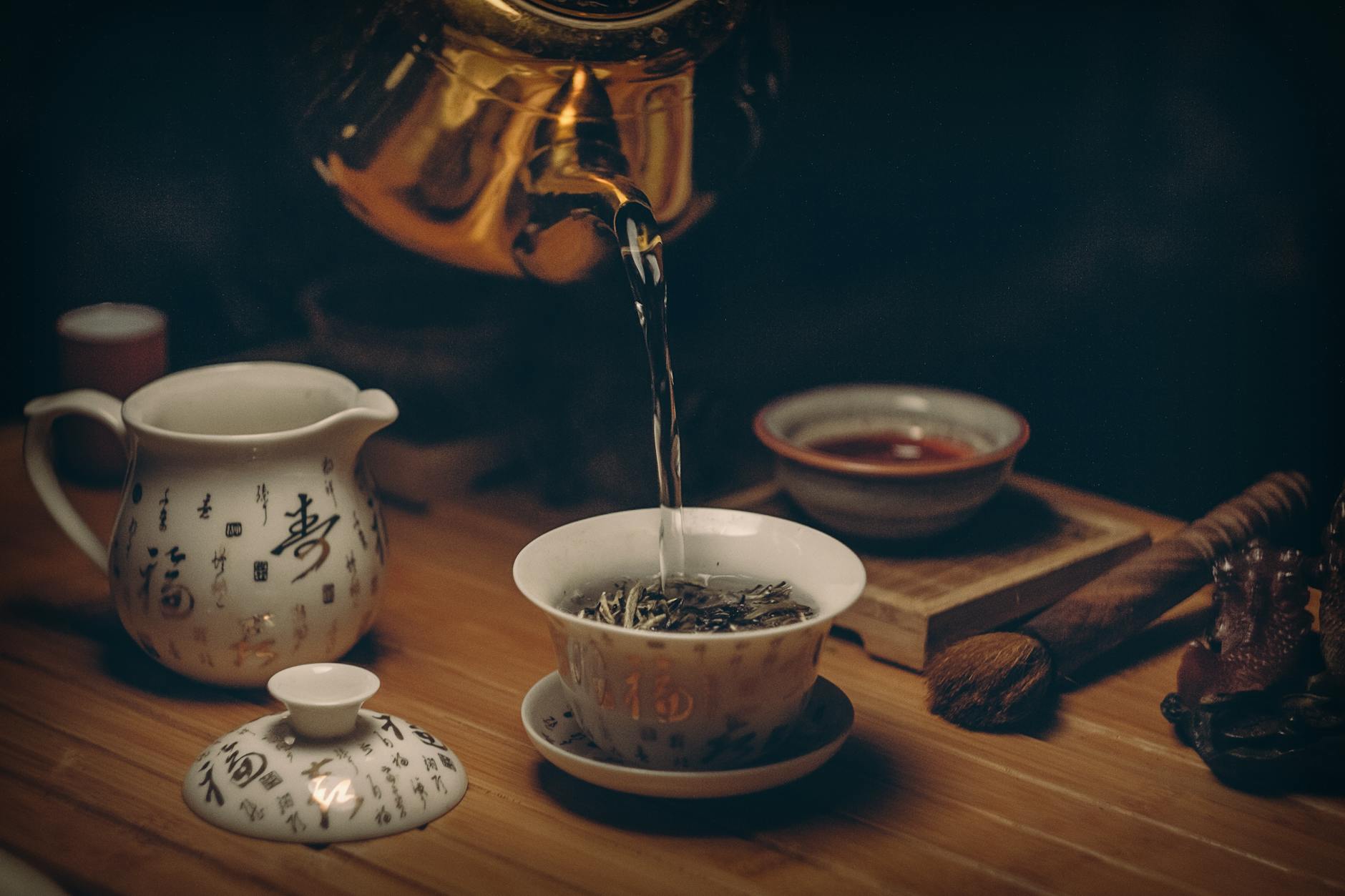
Sipping Malaysia: Teh Tarik and Kopi
Impossible to talk about gastronomy without mentioning drinks. In Malaysia, coffee (Kopi) and tea (Teh) are often drunk with sweetened condensed milk. The iconic Teh Tarik ("pulled tea") is poured from one container to another to create a smooth foam.
- Teh O: Black tea without milk.
- Teh C: Tea with evaporated milk (less sweet).
- Milo Dinosaur: Malted chocolate with a mountain of Milo powder on top.
- Air Bandung: Rose syrup and condensed milk drink.
Table Etiquette: Expat Tips
The Right Hand
If you eat in a traditional Malay or Indian restaurant by hand, use only your right hand. The left hand is traditionally reserved for personal hygiene.
Halal and Haram
Respect religious sensitivities. Malay restaurants are strictly Halal. Avoid bringing non-halal food (pork) into these establishments or shared areas.
Water in Restaurants
It is common to ask for "Sky Juice" (filtered tap water). In rural areas, prefer bottled water. Check our guide on public services to learn more about running water.
Frequently Asked Questions about Malaysian Cuisine
Is the food always very spicy? ▼
Not necessarily. Although many dishes use chili, you can always ask for "Kurang pedas" (less spicy) or "Tak pedas" (not spicy). Chinese cuisine also offers many mild options.
Can you easily find international cuisine? ▼
Absolutely. Kuala Lumpur and Penang are full of world-class French, Italian, Japanese, and Lebanese restaurants. However, the cost is much higher than local cuisine.
Can children eat local food safely? ▼
Yes. Dishes like Hainanese Chicken Rice or Roti Canai are loved by children. Check our Family & Children page for more advice on feeding the younger ones.
Where to find the best seafood restaurants? ▼
Coastal areas like Kuala Selangor, Port Dickson, or the islands (Langkawi, Perhentians) are ideal. You will find ultra-fresh fish at unbeatable prices there.
Is it safe to eat street food? ▼
In general, yes. Hygiene is well-monitored by municipalities. A good indicator is to choose stalls that have many local customers (fast food rotation).
Can you drink tap water? ▼
In big cities, the water is treated, but pipes can be old. Most expats use filters (Coway, Cuckoo) or boil water before consumption.
How to order your coffee like a local? ▼
Kopi O (black/sugar), Kopi C (evaporated milk/sugar), Kopi Kosong (black/no sugar), Kopi Peng (with ice).
What is the "safest" dish for a sensitive stomach? ▼
Hainanese Chicken Rice. It's mild, nutritious, low in fat, and rarely spicy.
Are there vegetarian options? ▼
Absolutely. Indian and Chinese Buddhist restaurants offer an incredible variety of meat-free dishes. Look for "Vegetarian" or "Sayur-sayuran".
Should you leave a tip? ▼
Tipping is not mandatory. Restaurants often charge a 10% service charge and a 6% tax (SST). In hawkers, no tip is expected.
Ready to delight your taste buds?
Expatriation is a culinary adventure at every moment. Don't miss a single crumb of your new life.