
The Radiance of Traditions:
Experiencing Festivals in Malaysia
Discover the unique harmony of a nation where Malay, Chinese, Indian, and indigenous cultures unite in a perpetual whirlwind of colors, flavors, and spirituality.
Malaysia, a Land of Endless Festivals
Settling in Malaysia means agreeing to live in a near-permanent state of celebration. In 2026, the country's cultural diversity has never been more vibrant. Each month brings its share of spectacular processions, night markets, and, above all, the famous "Open House" tradition.
For an expat, understanding these festivals is the key to successful integration. It's not just a matter of public holidays; it's a deep immersion into the values of tolerance and mutual respect that define Malaysian society.
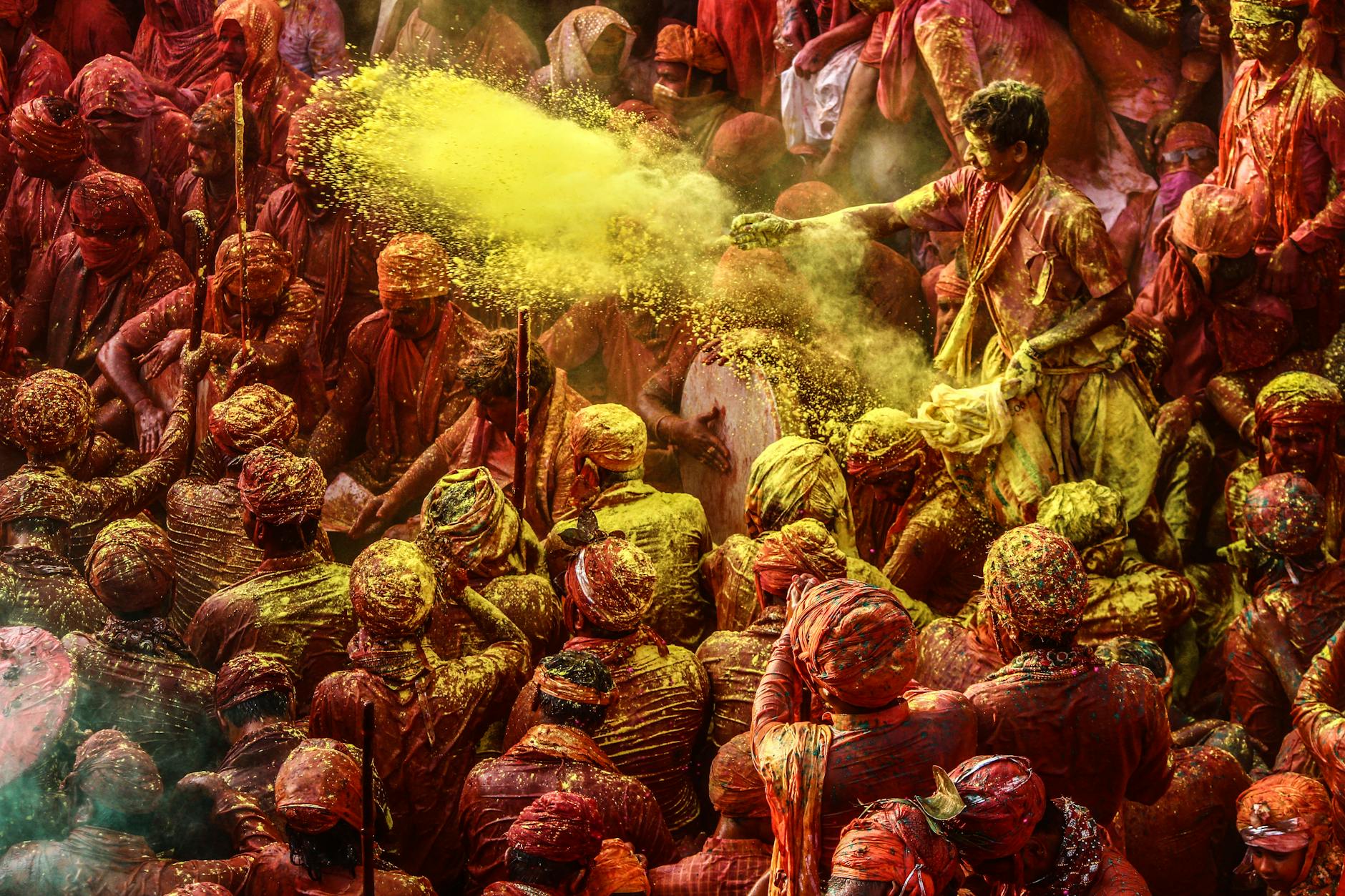
The Major Pillars of Celebrations
An overview of the highlights that punctuate the civil and lunar year in Malaysia.
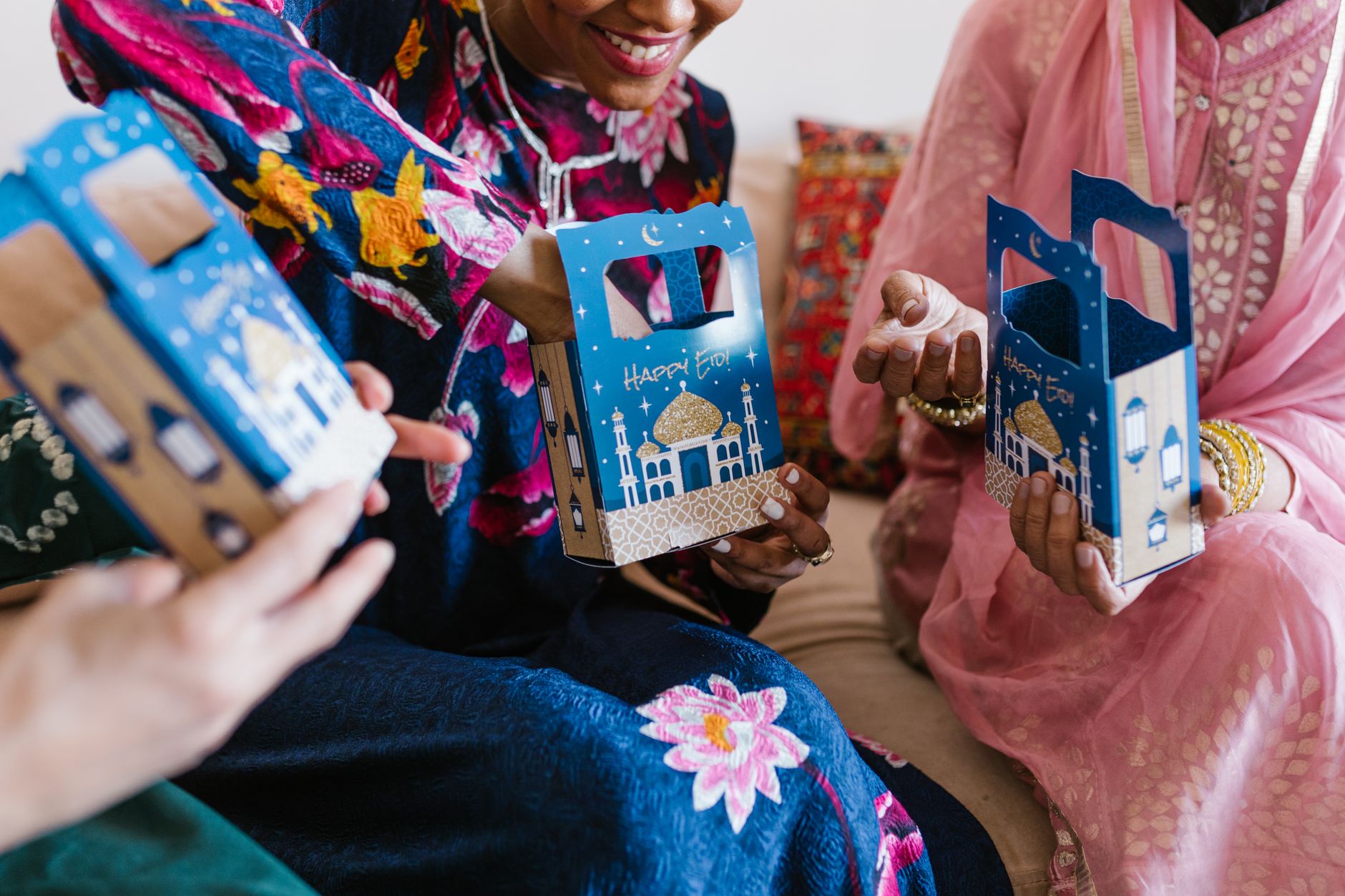
Hari Raya Aidilfitri
The end of Ramadan, marked by forgiveness, massive banquets, and shimmering silk outfits. A moment of absolute spiritual renewal.
Discover typical dishes →
Chinese New Year
Dancing lions, red envelopes (Ang Pao), and firecrackers to ward off evil spirits.

Deepavali
The Hindu festival of lights. The streets of Little India are adorned with colorful rice powder Kolams.

Thaipusam
One of the most spectacular festivals in the world at the Batu Caves. Processions of intense devotion and sacred structures (Kavadis) carried by the faithful.
Thaipusam: The Fervor of the Batu Caves
Every year, in January or February, over a million pilgrims converge on the famous Batu Caves in Kuala Lumpur. This is where Thaipusam takes place, a celebration in honor of Lord Murugan.
For the expat, it's a unique sensory shock. Between hypnotic drums, the scent of incense, and devotees in a trance, Thaipusam testifies to the profound religious freedom in Malaysia. Watching the climb of the 272 colorful steps surrounded by decorated Kavadis is an experience that stays with you for life.
- ✓ Location: Batu Caves (Kuala Lumpur), George Town (Penang).
- ✓ Symbolism: Purification, faith, and gratitude.

Open House Simulator 2026
Plan your traditional reception to share your culture with your Malaysian neighbors.

The Soul of Borneo: Tadau Ka'amatan & Gawai Dayak
Expatriation is not limited to Peninsular Malaysia. If you visit or reside in East Malaysia (Sabah and Sarawak), you will discover fascinating harvest festivals at the end of May and beginning of June.
Tadau Ka'amatan (Sabah) and Hari Gawai (Sarawak) are moments when indigenous populations thank the spirits for the rice harvests. On the program: tasting Tuak (local rice wine), traditional dances like the Sumazau, and opening 'Longhouses' to visitors. It is the very essence of Malaysian hospitality.
Expat tip:
If you are invited to a Longhouse, bring a small symbolic gift and don't be afraid to try the local dishes!
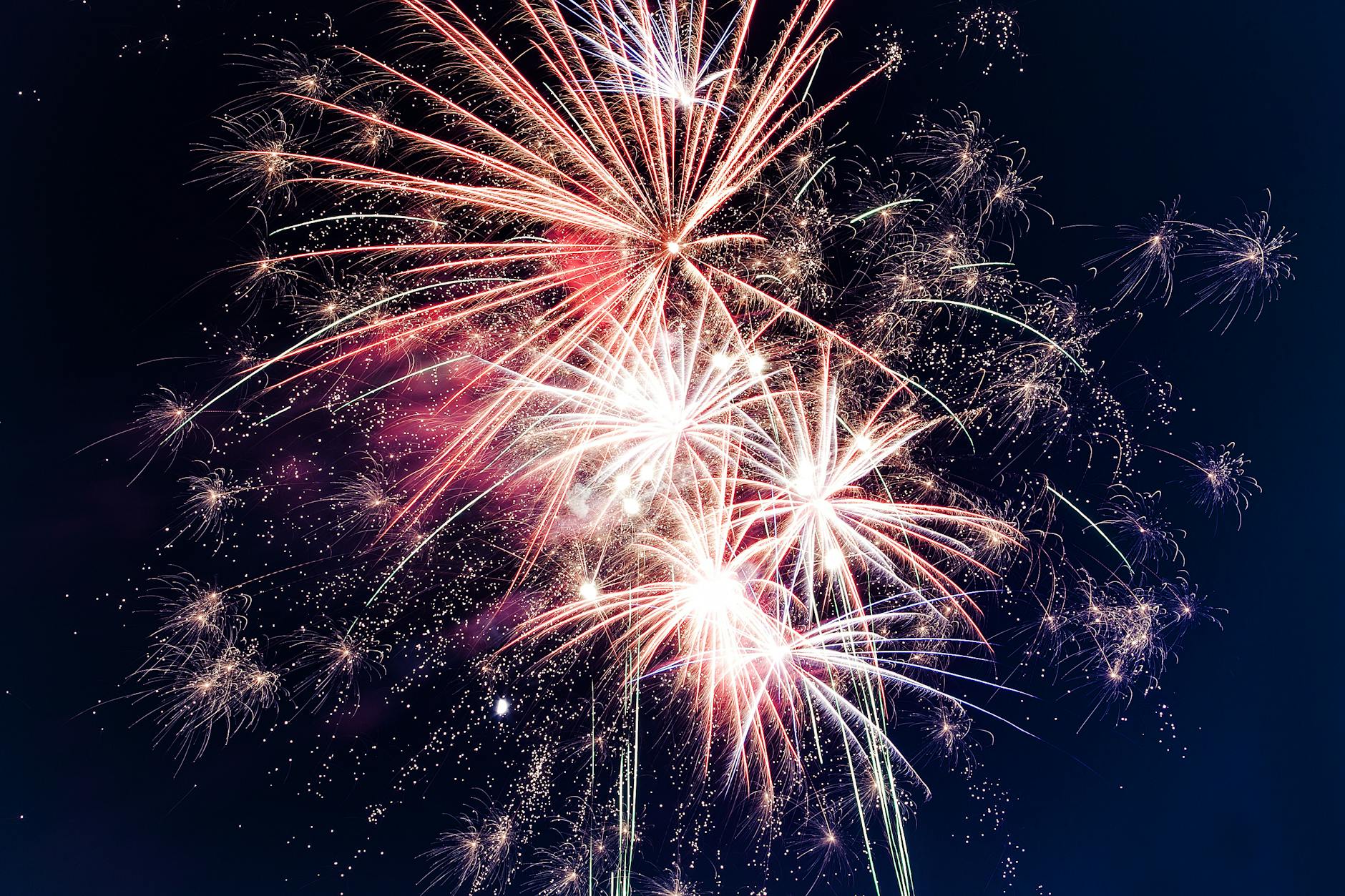
The Pride of a Nation: Hari Merdeka
August 31st marks Malaysia's Independence (1957). It's the day when the whole country dresses in the colors of the Jalur Gemilang (the national flag). Impressive military parades take place in Merdeka Square, accompanied by cultural demonstrations representing each ethnic group.
August 31
Hari Merdeka: Anniversary of the independence of the Federation of Malaya.
September 16
Malaysia Day: Commemoration of the formation of Malaysia in 1963.
Everywhere
Free concerts, fireworks, and a sense of national unity 'Satu Malaysia'.
The Impact of Holidays on Your Daily Life
Administrations & Banks
During major national holidays, expect a total closure of public services. Plan ahead for your Visa procedures or opening a bank account.
Balik Kampung (The Return)
The "Balik Kampung" phenomenon sees millions of Malaysians leaving cities to return to their home villages. Transport is saturated and traffic jams are legendary.
Shopping & Sales
Shopping malls redouble their creativity for decorations and offer aggressive sales. Perfect for exploring daily Malaysian life.
Frequently Asked Questions About Holidays
Do the holiday dates change every year?
Yes, many festivals (Hari Raya, Chinese New Year, Deepavali, Thaipusam) follow different lunar or religious calendars from the Gregorian calendar.
What is an "Open House"?
It's a tradition where a family opens its door to friends, neighbors, and even strangers to share a festive meal. It's the perfect time to discover the local cuisine.
How to dress for a Malay festival?
For Hari Raya, men often wear the Baju Melayu and women the Baju Kurung. As a guest, modest and respectful attire is appropriate.
Is everything closed during Chinese New Year?
Most businesses run by Chinese owners close for at least 2 to 3 days. However, shopping malls and Malay or Indian restaurants remain open.
Is the King's Birthday a public holiday?
Yes, the official birthday of the Yang di-Pertuan Agong is a national public holiday celebrated with much pomp.
Can I take photos during religious processions?
Generally yes, but be discreet and respectful. Do not block the path of pilgrims, especially at Thaipusam.
What is "Wesak Day"?
It is the most important Buddhist festival, celebrating the birth, enlightenment, and death of Buddha. Temples are beautifully decorated.
Why are there so many public holidays in Malaysia?
Malaysia is one of the countries in the world with the most public holidays because it honors the major festivals of all its ethnic and religious communities.
Are there modern music festivals?
Yes, beyond traditions, Kuala Lumpur hosts many international festivals like the "Rainforest World Music Festival" in Sarawak.
How do I know when the parades take place?
Consult our News section or the official Tourism Malaysia website a few weeks before the event.
Additional Resources
Ready to dive into Malaysian culture?
Sign up for our newsletter to never miss a celebration and receive our exclusive expat advice.