
The Art of Living in Malaysia
Understand, respect, and immerse yourself in a unique cultural mosaic for a successful expatriation in 2026.
A Harmony Named Muhibbah
Settling in Malaysia means entering a kaleidoscope of cultures, religions, and traditions. The concept of "Muhibbah" (multicultural harmony) is not just a political slogan; it is a daily reality. In 2026, Malaysia continues to shine through its ability to allow three major ethnic groups to coexist peacefully: Malays, Chinese, and Indians, along with indigenous peoples (Orang Asli) and the communities of Borneo.
For the expatriate, the key to smooth integration lies in understanding these nuances. It is not just a matter of politeness; it is the very foundation of your social and professional relationships. Learning to navigate between religious holidays, dietary restrictions, and communication codes is a fascinating journey that will enrich your human experience.


Understanding Diversity
The Malay Community (Bumiputera)
As the majority, Malays are at the heart of the national identity. Their culture is intrinsically linked to Islam and the values of courtesy (Budi Bahasa). They place paramount importance on family and hierarchy. In your daily life, you will notice their legendary hospitality, often manifested through invitations to "Open Houses" during holidays.
- • Language: Bahasa Melayu (the nation's glue)
- • Values: Community solidarity, respect for elders
- • Major festival: Hari Raya Aidilfitri
The Chinese Community
Having arrived primarily in the 19th century, Malaysians of Chinese origin (Hokkien, Cantonese, Hakka) often dominate the commercial sector. Their culture is a fascinating blend of Buddhism, Taoism, and Confucianism.
Impact on local life: Night gastronomy, colorful festivals, and economic dynamism.
The Indian Community
Mainly of Tamil origin, this community brings vibrant energy through its beautifully carved Hindu temples, its music, and its spicy cuisine, which is indispensable to the Malaysian landscape.
The Borneo Heritage & The Orang Asli
In Sarawak and Sabah, you discover the Dayaks, the Kadazan-Dusun, and many other indigenous groups with unique languages and artisanal traditions (tattoos, weaving). They represent the wild and original soul of Malaysia.
Explore Borneo →Understanding the Concept of "Face" (Malu)
What is "Face"?
In Asian culture generally, and Malaysian culture specifically, "Face" represents an individual's honor, dignity, and reputation within the group. Making someone "lose face" (by criticizing them publicly, for example) is considered a serious offense.
Conversely, "giving face" consists of offering sincere compliments, showing deference to a superior, or treating guests with extreme generosity.
Tips for the Expatriate
- Offer critiques one-on-one and with diplomacy.
- Avoid raising your voice or showing anger in public (calmness is a sign of strength).
- Strictly respect honorary titles (Datuk, Tan Sri, etc.).
Test Your Malaysian Cultural Quotient
How would you react in these real-life daily situations?
Guide to Daily Etiquette
Simple gestures that make all the difference.
Remove your shoes
This is the golden rule. Whether it is a private home, a mosque, a temple, or even some shops, you take off your shoes at the entrance. Observe the doorstep: if there are shoes there, do the same.
Use of the right hand
When giving or receiving an object, or when eating, always use your right hand. The left hand is traditionally considered unclean in several local cultures.
Don't touch the head
The head is considered the most sacred part of the body. Avoid patting the head of a child or an adult, even as a gesture of affection.
Dress code
In places of worship and official buildings, modest dress is required (shoulders and knees covered). In the city, tolerance is high, but decency is still appreciated.
Pointing fingers
Pointing at someone or something with your index finger is considered impolite. Instead, use the thumb of your right hand folded over your other fingers, or your whole hand.
The Malaysian greeting
The traditional "Salam" consists of touching the other person's hands and then bringing your own hands back to your heart. It is a sign of deep respect.
"Sudah Makan?": The Love of Food
In Malaysia, the question "Sudah Makan?" (Have you eaten?) often replaces "How are you?". It is the absolute basis of social connection. Sharing a meal is the fastest way to integrate. Whether it is at a Mamak stall corner at 2:00 AM or at a wedding feast, food unites communities.
Nasi Lemak
The national dish: coconut rice, sambal, anchovies, and egg.
Teh Tarik
"Pulled" tea with a smooth foam, a symbol of conviviality.
Don't forget the table manners: in Malay or Indian homes, people often eat with their right hand (fingertips). It is a sensory experience that every expatriate should try at least once!

A Calendar of Celebrations
Hari Raya Aidilfitri
Marks the end of Ramadan. Family visits and Open Houses.
Chinese New Year
Lion dance, red envelopes (Ang Pow), and Yee Sang.
Deepavali
The Indian festival of lights. Colorful Rangolis and sweets.
Thaipusam
Spectacular procession at Batu Caves. A total immersion.
Participating in these festivals is the best way to understand the Malaysian calendar and make local friends.
Religious Diversity and Tolerance
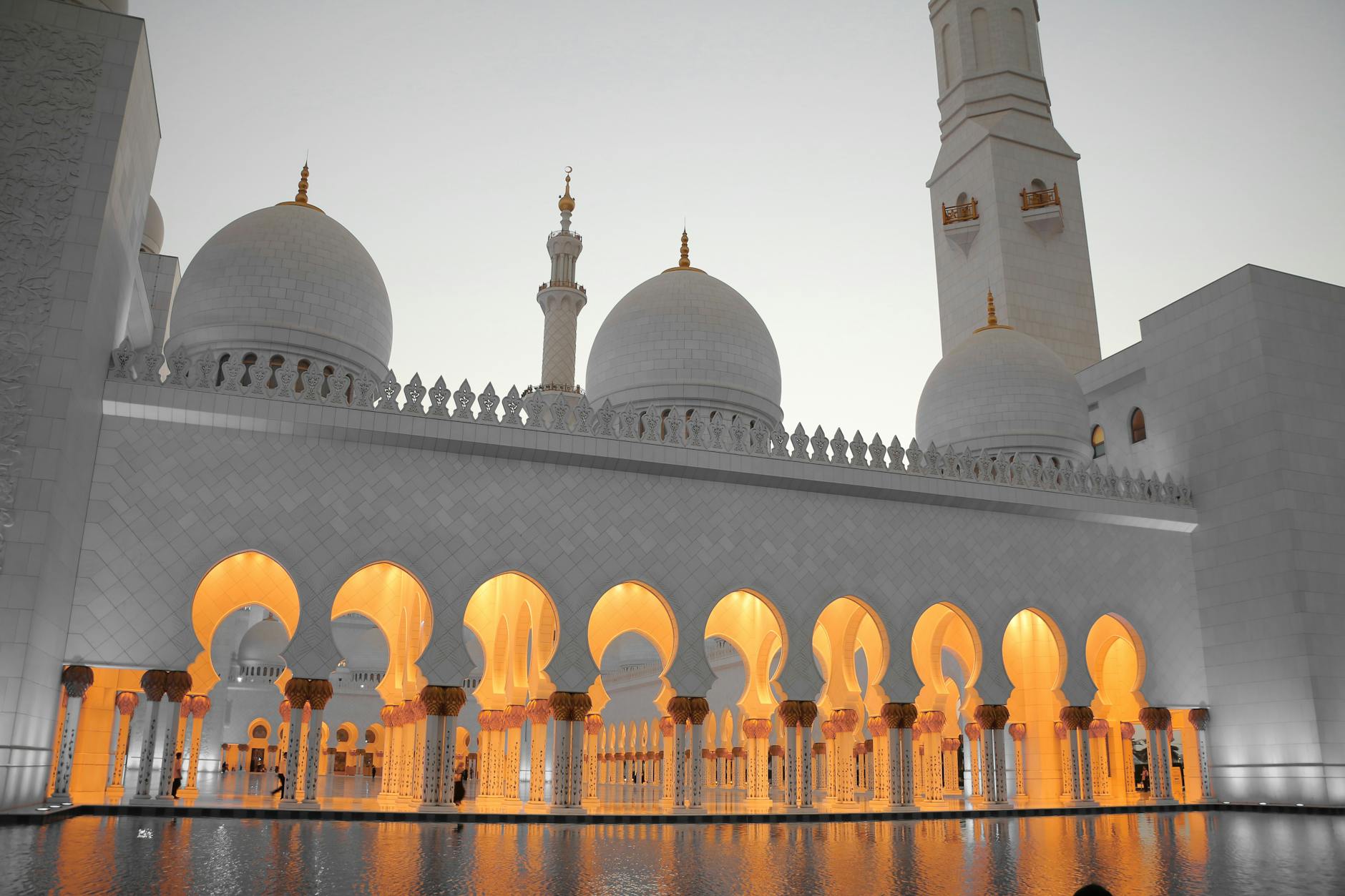
Islam is the state religion, but the Constitution guarantees freedom of worship. This coexistence is physically visible: it is not uncommon to see a mosque, a Hindu temple, and a church on the same street.
Practice of Islam
Respect prayer times (Azan) and dietary restrictions (Halal) of your neighbors and colleagues.
Places of Worship
Always cover up and remove your shoes. Places of worship are open to respectful visitors.
Frequently Asked Questions about Integration
Ready for the Big Leap?
The Malaysian adventure begins with good preparation. Download our comprehensive guides to leave nothing to chance.