
Secrets of Local Lifestyle
Revealed
Beyond the skyscrapers of Kuala Lumpur, discover the soul of Malaysia. A deep exploration of the customs, traditions, and philosophy of life that shape the daily lives of expatriates.
They trust us for their integration
Living Malaysia,
Much More Than a Stay
Settling in Malaysia is not just about changing geographic coordinates; it's about embracing a fascinating sociological complexity where centuries-old traditions and rapid modernity coexist. In 2026, the quest for authenticity has become the primary driver of successful expatriation. According to recent analyses, expatriates who actively immerse themselves in local customs report a life satisfaction rate 40% higher than those staying in international "bubbles."
The Malaysian lifestyle is a subtle balance between respect for social hierarchies, religious fervor, and a unique tropical relaxation. Understanding these mechanisms is essential for anyone wishing to navigate with ease between local markets and business centers. As highlighted in the study on lifestyles and their transformations, our daily practices reflect our ability to adapt to a given environment.
In this guide, we explore how human interactions, food, and even time management influence your integration in Malaysia. It's about moving away from clichés to touch the reality of a country that is multicultural by essence.


Pillars of Malaysian Daily Life
Every aspect of life here is a brick that builds your new identity as an expatriate.
Gastronomy as a Language
In Malaysia, the question "Sudah makan?" (Have you eaten?) often replaces "How are you?". Discover the vital importance of sharing meals in local restaurants.

Spirituality & Respect
A mosaic of beliefs influencing every public holiday and dress code. Learn to navigate between places of worship with elegance.
Manglish & Multilingualism
Mastering a few words of Bahasa Melayu and understanding the nuances of Malaysian English is the key to fluid communication.
- • The use of "Lah"
- • Indirect politeness
- • Non-verbals
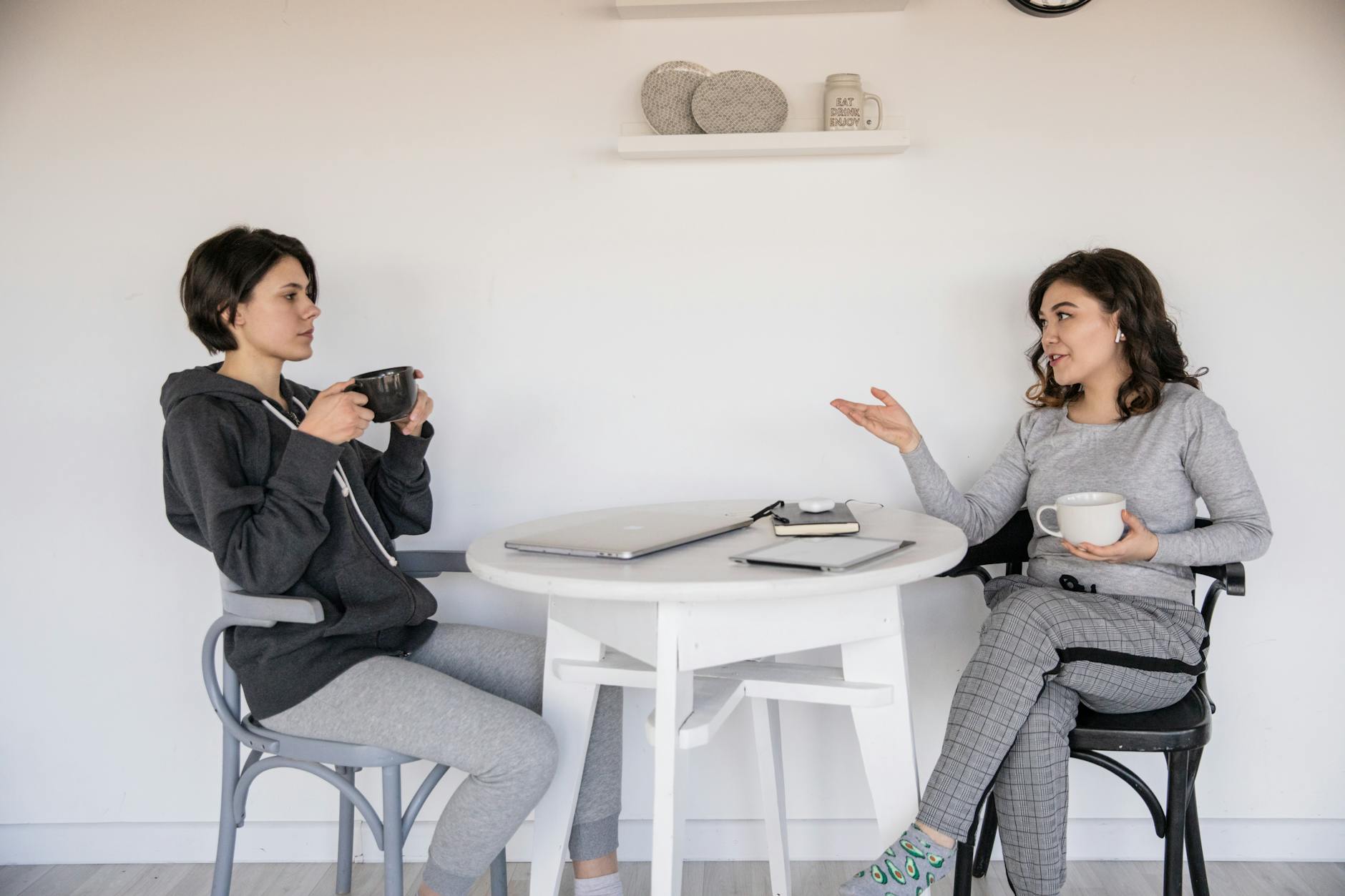
Urban Rhythm
From automated metros to Grab taxis, transport in Malaysia dictates time management.
The Art of Bargaining and Markets
Between futuristic shopping malls and artisanal markets, shopping is a national sport and a social vector.
A Sociological Approach to Lifestyles
To truly understand Malaysia, one must look at the notion of "ways of living." This concept, explored in the works of the FNAU, demonstrates that our direct environment — the structure of our neighborhoods, proximity to services, and quality of infrastructure — forges our social identity. In Malaysia, the concept of "Kampung" (village) persists even within luxury condominiums, creating a micro-community where mutual aid is the rule.
Did You Know?
Coliving and shared spaces are becoming the norm for young professionals and expatriates in Kuala Lumpur, fostering a modern and sustainable lifestyle.
Immersion doesn't just mean "visiting," but "participating." This involves understanding the challenges of environmental sustainability in a tropical country. Waste management, energy consumption (air conditioning), and transportation choices are all markers of your local footprint. As the AUA Toulouse report on inhabitant usage indicates, local public action is now adapting to real citizen behavior.
Cultural Adaptation Simulator
Assess your current level of integration in Malaysia and receive personalized advice.
Question 1: How often do you eat at a local "Mamak"?
Analyzing your results...

Claire, 34 years old
Expat for 3 years
"At first, I was desperately looking for my cheese and bread. By accepting local habits, my life changed. Today, I can't live without my Sunday market in TTDI."

Julien, 45 years old
Business Owner
"The work culture here requires humility. Understanding the unspoken and the importance of 'face' allowed me to succeed in negotiations where others failed."
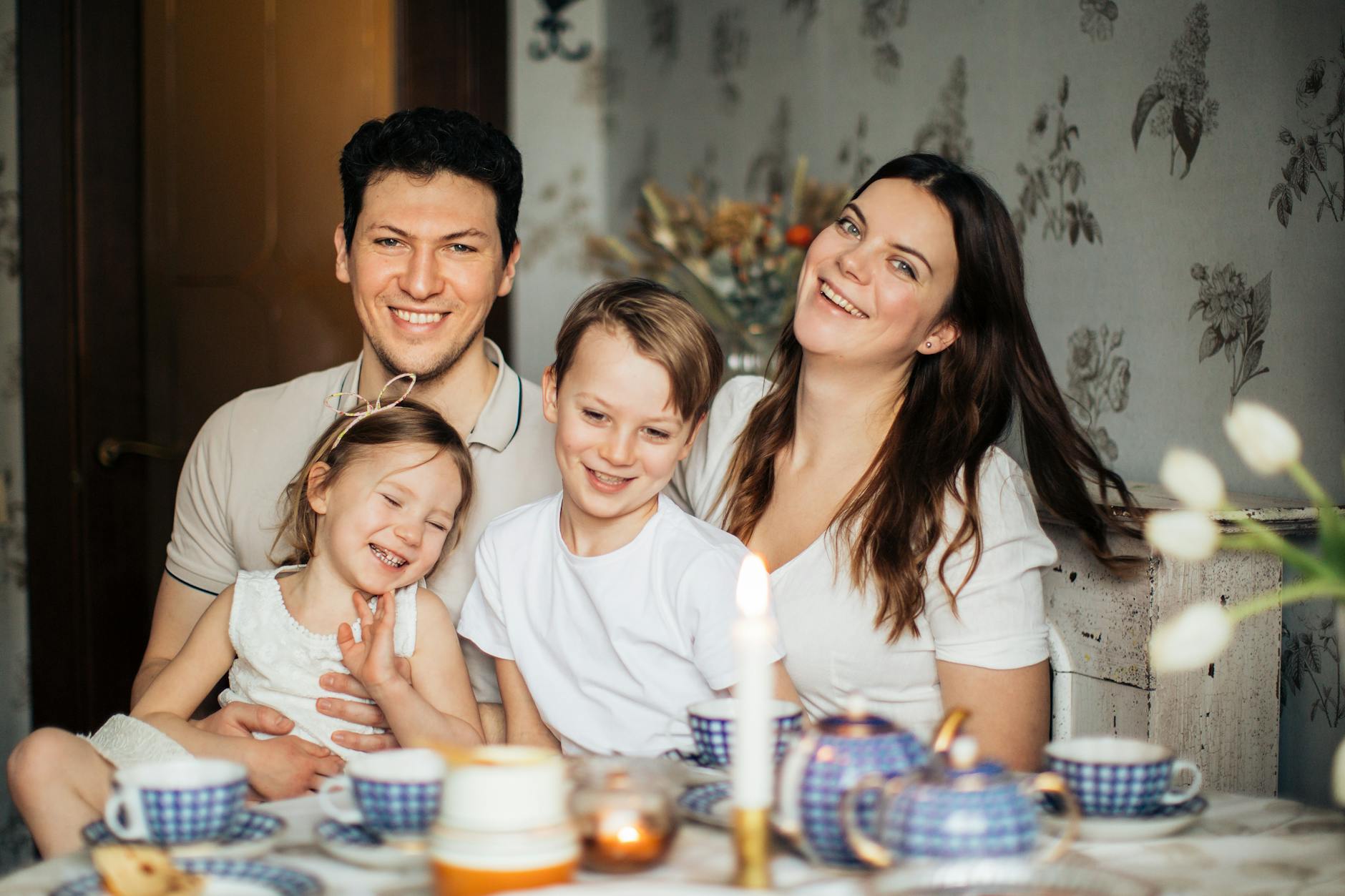
Moreau Family
Arrived in 2026
"Moving to Malaysia with children was a challenge. But the kindness of locals towards little ones is incredible. They feel at home everywhere."
Evolution of Customs: 2016 vs 2026
| Domain | Traditional Usage | Modern Usage (2026) |
|---|---|---|
| Payments | Cash dominant | E-Wallets (GrabPay, Touch 'n Go) everywhere, even at the market |
| Socializing | Family gatherings at home | Specialty cafes and cultural third places |
| Housing | Landed property | Condos with integrated services and Smart Homes |
| Getting Around | Personal car indispensable | Shared mobility and micro-mobility (electric scooters) |
Frequently Asked Questions about Customs
Is it impolite not to finish your plate?
On the contrary, leaving a small bit can mean that the host has fed you generously. But at a local restaurant, finishing your meal is a sign of appreciation.
Why do we take off our shoes everywhere?
It's a mark of respect for the cleanliness of the home, considered a sacred space. This also applies to some offices and small shops.
How to behave during Ramadan?
Even if you are not Muslim, avoid eating or drinking conspicuously in front of those who fast out of simple courtesy. Festivals are moments of sharing.
How much tip should I leave?
Tipping is not a tradition in Malaysia (a service tax is often included). However, a small extra for good service is always appreciated.
Can I use my left hand to give an object?
Ideally no, as it is traditionally considered impure. Use the right hand or both hands for more respect.
How to dress when visiting a mosque?
Cover your shoulders and knees. Women generally must wear a veil (often provided at the entrance). Consult our guide on places of worship.
Is the concept of "Face" (Malu) real?
Absolutely. Avoid criticizing someone publicly. Prefer private discussions so as not to make your interlocutor "lose face."
Is it safe to eat on the street?
Yes, hygiene standards are generally good, especially if the stall is busy. Consult our security section for more details.
How do I call a waiter?
A discreet hand signal is enough. You will often hear locals say "Boss" or "Abang" (big brother) to attract attention in a friendly way.
Is physical contact common?
Between people of the same sex, yes. Between opposite sexes, it's better to wait for the other person to extend their hand first.
Ready to Take the Plunge?
Download our complete guides to prepare for your move to Malaysia today.