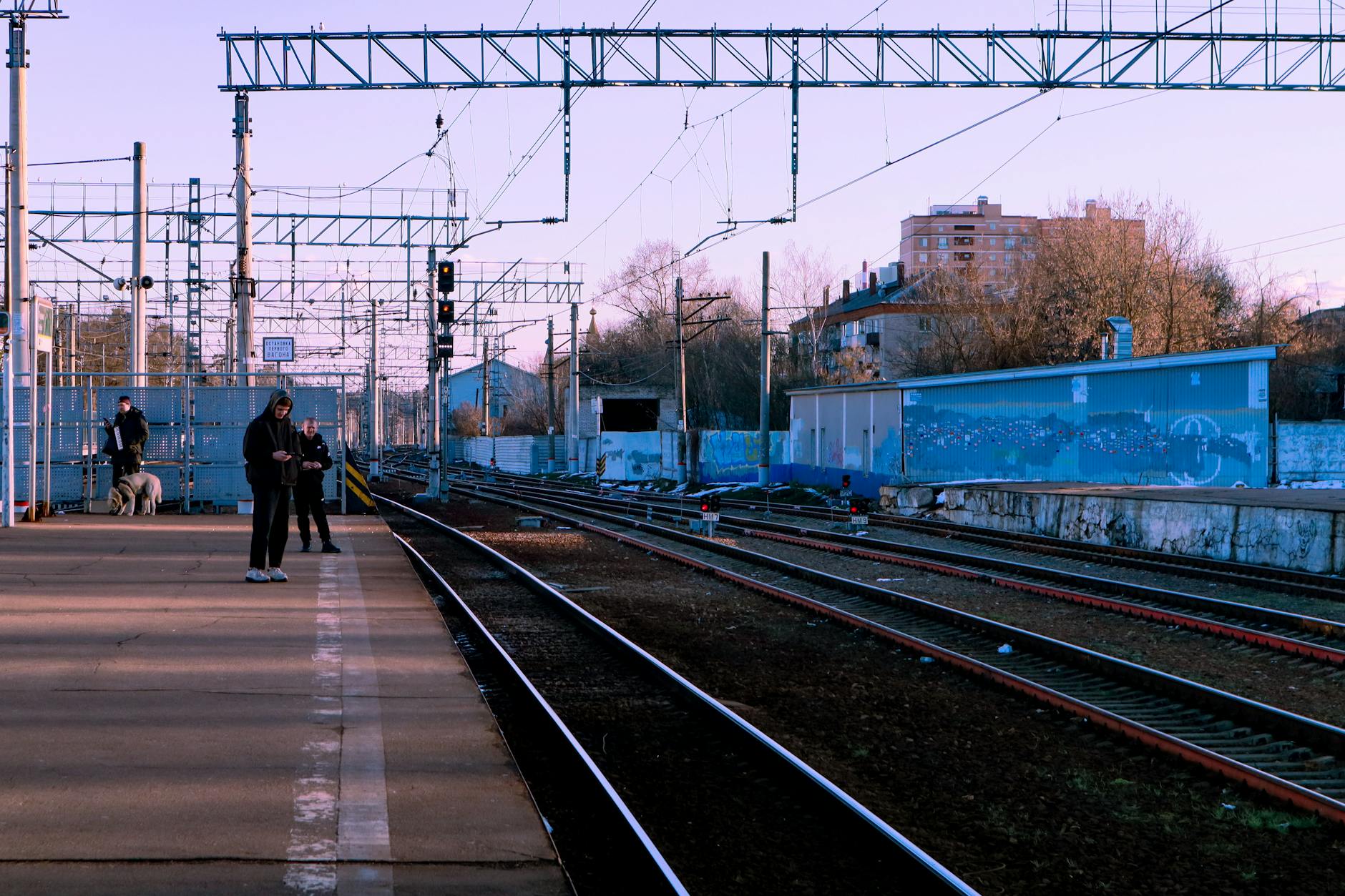
Master Transportation in Malaysia
From the urban bustle of Kuala Lumpur to maritime links towards paradise islands, discover how to navigate serenely through one of the most efficient networks in Southeast Asia.
An infrastructure in transformation
In 2026, Malaysia establishes itself as a model of regional connectivity. Whether you are a new expatriate recently settled after consulting our Ultimate Guide to Living in Malaysia or a traveler passing through, the diversity of transport means is striking.
The country stands out for its unique geographical duality: Peninsular Malaysia, equipped with an ultra-modern rail and road network, and East Malaysia (Borneo), where planes and boats remain the undisputed masters of travel. General reliability is excellent, and rates remain among the most competitive in the world, positively influencing the cost of living in Malaysia.
Grab usage in cities
ETS Punctuality
Regular Bus users
CO2 Emissions (2026 Project)
The Transportation Ecosystem: Bento Overview
The Bus: The Economic Artery
The intercity bus network covers almost the entire peninsula. Operators like Transnasional or Plusliner offer 24-seat "VIP" seats, reclining to 140°, with USB ports and Wi-Fi. It is the greenest and most affordable option for connecting cities like Malacca or the Cameron Highlands.
Aviation
Indispensable for Borneo (Kuching, Kota Kinabalu). AirAsia and Malaysia Airlines dominate the skies.
Grab & Ride-hailing
Grab has revolutionized daily transport. No more negotiating with recalcitrant taxi drivers. The app handles everything: fixed pricing, GPS tracking, and payment via GrabPay. For an expatriate, it's the #1 tool for integration.
- GrabCar Premium
- Integrated GrabFood
- Transparent rates

KTM & ETS
The high-speed train (ETS) connects Gemas to Padang Besar at 140km/h. Royal comfort, silence, and views of rice paddies.
Ferries
Vital links for Langkawi, Tioman, and the Perhentians. Watch out for the monsoon!
Rail: The Backbone of the Peninsula
ETS (Electric Train Service)
The flagship of KTM (Keretapi Tanah Melayu). These are modern, fast, and extremely comfortable trains. There is the Gold class (more frequent stops) and the Platinum class (the fastest). It is the ideal way to reach Ipoh or Penang (Butterworth) from Kuala Lumpur.
- Wi-Fi on board
- Dining car

The Jungle Railway (East Coast Line)
Less about speed and more about experience. This line traverses the green heart of the country, from Gemas up to Tumpat, near the Thai border. You will cross dense jungles, rubber plantations, and remote villages. It is the quintessential "slow" transport, ideal for discovering Malaysian biodiversity.
Transport Budget Simulator
Plan your trips between major Malaysian cities (2026 Estimates).
Estimated Duration
-
Average Price (MYR)
-
CO2 Impact
-
Vehicle Rental
Renting a car or scooter is the ultimate freedom, especially on islands like Langkawi or for exploring national parks.
International Permit: Mandatory for legal rental.
Left-hand drive: British heritage, requires a period of adaptation.
Tolls (Touch 'n Go): Essential card system for the highway.
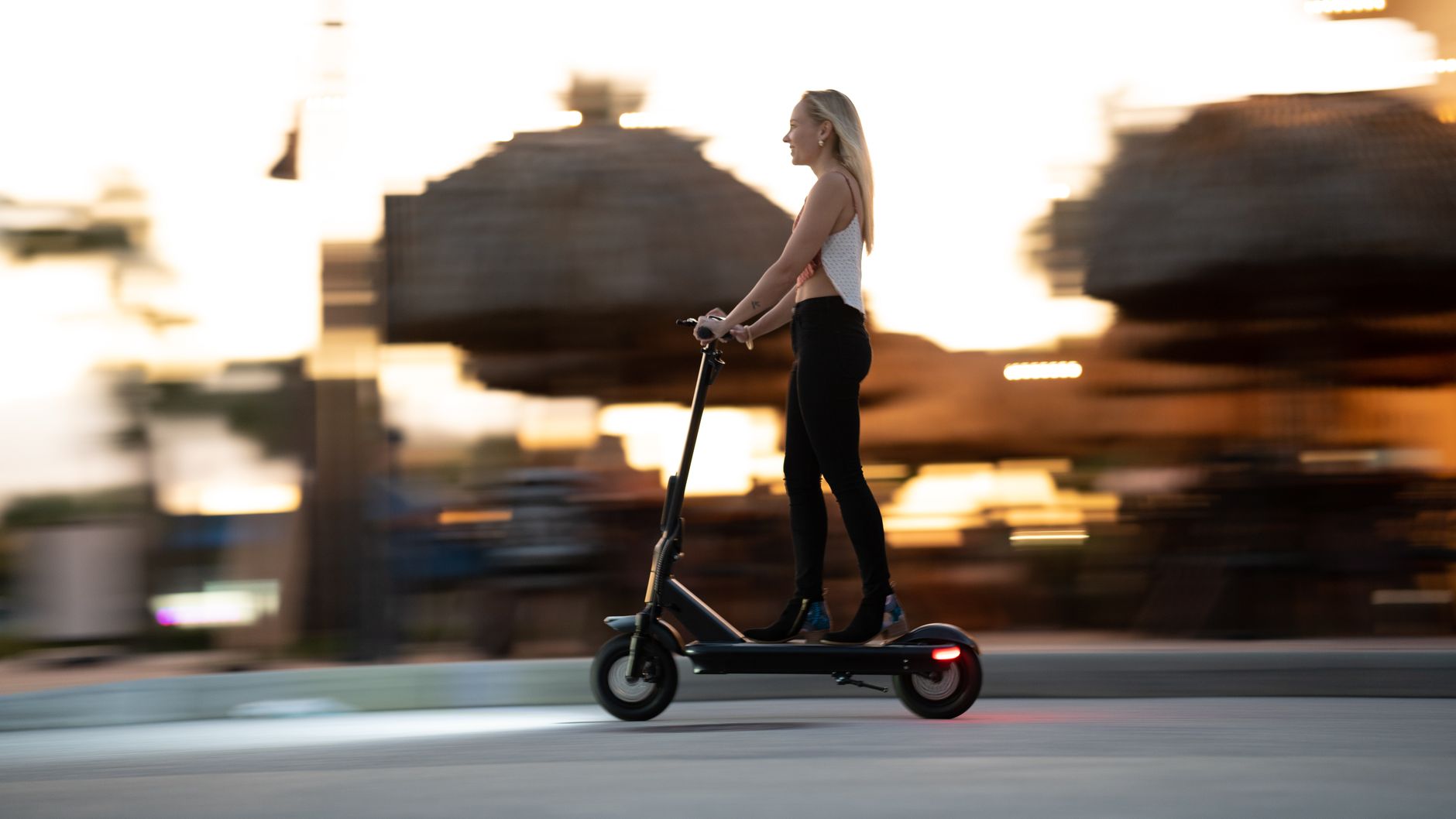
Scooter & Moto
The king of the islands. Expect between 30 and 60 MYR per day. Helmet usage is mandatory (and monitored!).
Starting from €7/day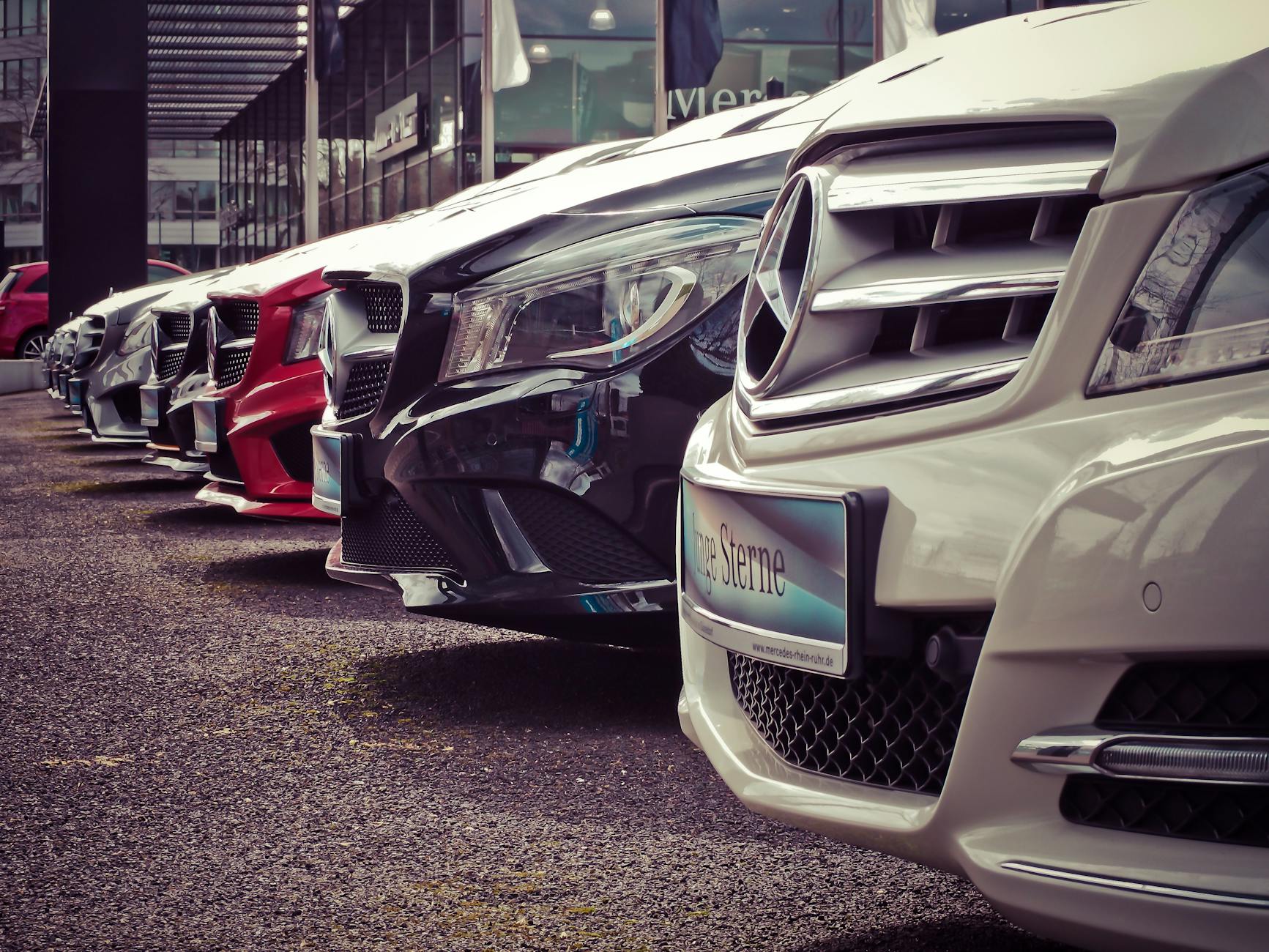
Passenger Car
Ideal for families. Local brands like Perodua or Proton are very affordable.
Starting from €25/dayFocus: Getting Around Kuala Lumpur
MRT & LRT
The automated metro
Ultra-modern lines that crisscross the city. Air-conditioned, clean, and extremely frequent (every 3 to 5 minutes during peak times).
Monorail
The panoramic view
Ideal for the Golden Triangle (Bukit Bintang). Although a bit slower, it offers an unmissable view of KL's skyscrapers.
GOKL Bus
The free service
A network of free pink buses serving tourist areas and business hubs in the city center. A must for saving money!
The Essential Card: MyRapid / Touch 'n Go
No more paying for trips with cash. This universal card works on the metro, buses, and even in many stores. To learn more about daily finances, consult our guide on banks and services in Malaysia.

Traditional & Cultural Transport

The Trishaw (Beca)
Mainly present in Malacca and Penang. Today highly decorated (often with cartoon characters and loud speakers), they are more of a tourist attraction than an efficient mode of transport.

Longboats (Sampan)
Essential in national parks like Taman Negara or for traveling up rivers in Sarawak. A total immersion in wild Malaysia.
Towards a Sustainable Malaysia
The government actively encourages eco-friendly practices. In many districts like Putrajaya or Cyberjaya, cycle paths are multiplying. Bike-sharing services and electric scooters (Beam) are now omnipresent in KL's center.
"In 2026, taking the train or bicycle is no longer just a matter of economy, it is a commitment to the preservation of our tropical landscapes."
— Ministry of Transport (Green Project 2030)
Frequently Asked Questions (FAQ)
What is the fastest way to get from KL to Penang? ▼
Flying is the fastest (1h flight), but if you count travel to the airport and check-in, the ETS Platinum train (4h) is often more practical as it drops you in the heart of the urban area.
Does the Grab app work everywhere? ▼
It works in all major cities (KL, Penang, JB, Ipoh, Kuching, KK). In very remote rural areas, it may be less available, requiring the use of local taxis.
Do I need a local SIM card to use transport? ▼
Absolutely. To use Grab, check train schedules, or book a bus via mobile, a stable connection is vital. Check our guide on telecommunications in Malaysia.
Are buses safe in Malaysia? ▼
Yes, long-distance buses are generally very safe and well-maintained. Drivers usually respect speed limits on highways. For more peace of mind, consult our safety tips in Malaysia.
Can I travel with my pet in transport? ▼
It's complex. Pets are prohibited on the metro and most buses. For taxis/Grab, prior agreement from the driver is needed (GrabPet option available in some areas). See the Pets guide.

Ready to explore Malaysia?
Join our expatriate community to exchange travel tips and ask your questions on the forum.