
The Soul of Malaysia:
Traditional Music and Dance
Explore the multicultural harmony of a nation through its ancestral rhythms and sacred movements. An immersive journey into the heart of Malaysian heritage in 2026.
More than a Show: An Identity
In Malaysia, music and dance are not mere entertainment. They form the connective tissue of a society rich in its Malay, Chinese, Indian, and indigenous influences. For the English-speaking expatriate arriving in 2026, understanding these arts means decoding the nuances of the local soul and accelerating their integration.
Every hand movement, every drum beat (gendang) tells a story of migration, faith, harvest, and royalty. It is a universal language that transcends linguistic barriers while being, paradoxically, the best vehicle for learning Malay.
The Gamelan
The harmony of bronze percussion.
The Joget
The joyful rhythm of social celebrations.
The Three Pillars of Malaysian Dance
Court Dance (Tarian Istana)
Once reserved for the Sultans' palaces, these dances are characterized by slow, graceful movements and rigorous discipline. They reflect the dignity and refinement of classical Malay culture.
- • Gamelan Melayu
- • Asyik (Kelantan)
- • Terinai (Perlis)
Dramatic Dance (Dance Theater)
A perfect fusion of acting, music, and dance. These performances often tell ancient epics like the Ramayana, blending spirituality and local folklore.
- • Mak Yong (World Heritage)
- • Wayang Kulit (Shadow Theater)
- • Menora
Folk Dance (Tarian Rakyat)
Energetic and participatory, these dances celebrate daily life in the villages (Kampung). They are often performed during weddings and harvest festivals.
- • Joget
- • Zapin
- • Tarian Lilin (Candle Dance)
Panorama of Iconic Dances

The Mak Yong
Considered the most authentic form of Malay dance theater, Mak Yong combines rituals, dramatic dance, and improvisation. Originating from Kelantan, it has been classified as a "Masterpiece of the Oral and Intangible Heritage of Humanity" by UNESCO.
The performance always begins with the Menghadap Rebab, a greeting to the lead instrument (the rebab, a type of two-stringed fiddle). The dialogues are in old Malay, offering a fascinating linguistic immersion.

The Sumazau
This is the traditional dance of the Kadazan-Dusun of Sabah. It imitates the flight of a soaring eagle. Dancers, dressed in black adorned with gold embroidery, move their arms like wings to the hypnotic rhythm of gongs.
"Sumazau is a prayer of thanks to the rice spirits after a successful harvest."
Bharatha Natyam
Indian Heritage
A complex classical Indian dance, using mudras (hand gestures) to tell sacred narratives.
Kuda Kepang
Javanese Influence
A spectacular dance where performers ride bamboo horses, sometimes entering a trance.
Bhangra
Sikh Community
Energetic and joyful, Bhangra celebrates harvests with powerful dhol percussion.
Tarian Lilin
Candle Dance
A dance of absolute grace where dancers handle lit candles without ever extinguishing them.
Traditional Rhythm Simulator
Experience Malaysian polyrhythm. Activate different instruments to understand how they layer in a traditional ensemble.
Gendang (Drum)
Gong
Serunai (Oboe)
Activate an instrument to see the rhythm...
The Link Between Language and Movement
For the English-speaking expatriate, Malaysian music is a phenomenal gateway to the Bahasa Melayu language. Traditional song lyrics are often composed of Pantun, poetic quatrains that follow a strict structure and use rich, often metaphorical vocabulary.
By listening to Joget Lambak or observing the dialogues of Wayang Kulit, you learn:
- Intonation: Malay is a language where musicality is essential to meaning.
- Archaic vocabulary: Songs preserve words that are no longer found in everyday language, enriching your cultural understanding.
- Moral values: Sung narratives transmit Adat (unwritten customs and laws).
Pedagogical Methodology
Many international schools and language centers in Malaysia now use dance to teach Malay. Here's why this method works:
Sensory Immersion: Associating a gesture with a word reinforces memorization (kinesthetic memory).
Decomposition of Rhythms: Repeating choruses allows for mastering pronunciation without the boredom of traditional exercises.
Cultural Context: You don't just learn to say "flower," you understand why the flower (bunga) is sacred in Malaysian dance.
The Orchestra of Nature
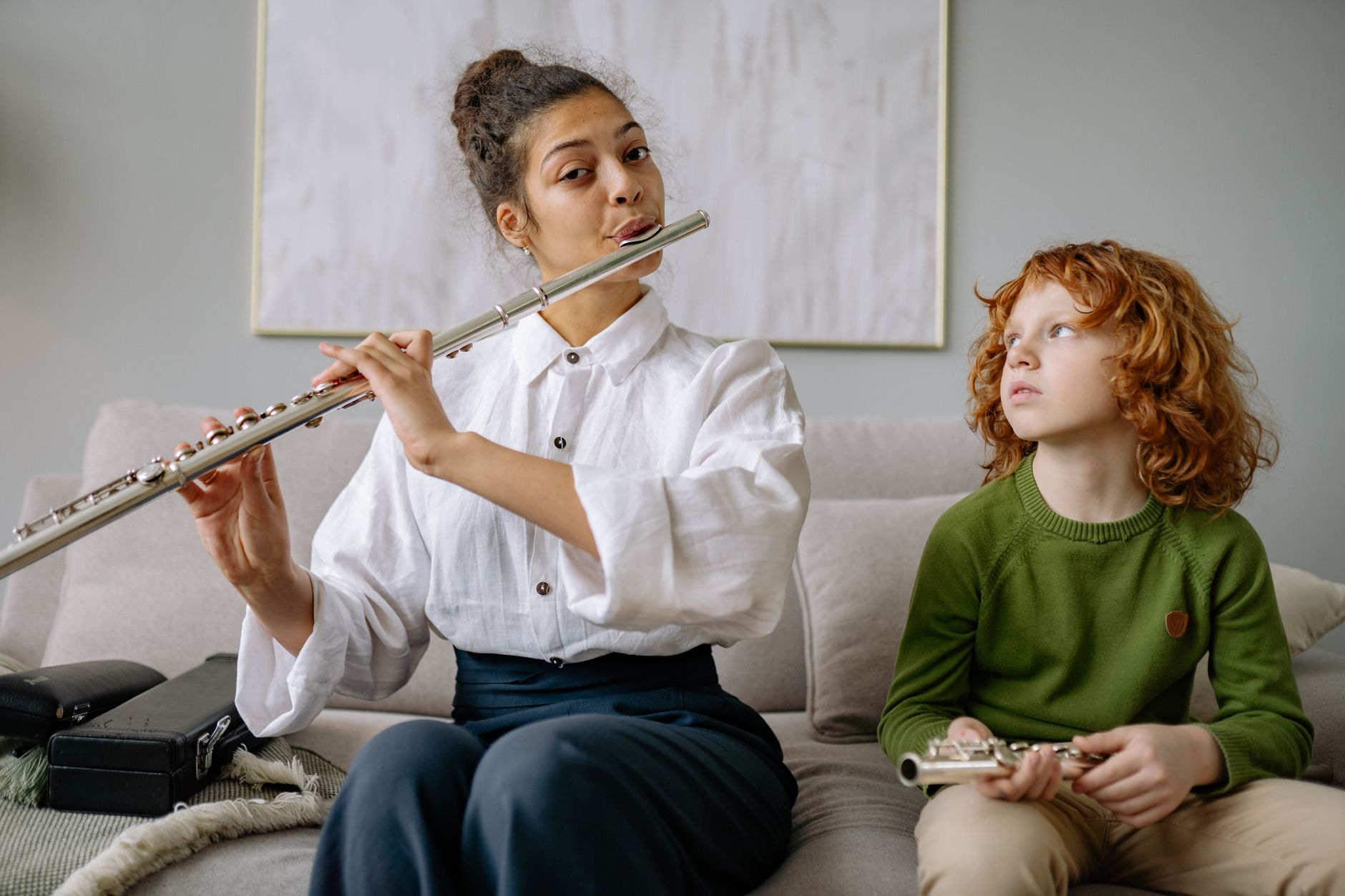
Suling
Bamboo flute with a melancholic sound evoking the tropical rainforest.

Rebab
The king of epic narrative instruments, ancestor of the modern violin.

Kompang
Hand tambourine essential for weddings and processions.

Sape
Traditional lute of the Dayaks of Sarawak, with ethereal sounds.
Expatriate Feedback
"By participating in a Joget workshop in Kuala Lumpur, I not only learned a few dance steps but, more importantly, broke the ice with my neighbors. It's the best socialization tool I've found here in 2026."
Marc-André L.
Expat for 2 years
"Enrolling my children in Gamelan classes at school has helped them respect discipline and group listening. They now know the history of Malay sultans better than I do!"
Sophie D.
Expat mom
Frequently Asked Questions about Malaysian Arts
Where can you see authentic performances in 2026? ↓
Is it respectful for a foreigner to practice these dances? ↓
Which dances were banned in the past? ↓
How are traditional instruments made? ↓
Are there fusions with modern music? ↓
Can you learn Silat as a dance? ↓
What are the traditional outfits for dancing? ↓
Ready to Rhythm Your Expatriation?
Join our community to discover the best dance workshops, must-see festivals, and our exclusive guides on cultural integration.