
Malaysian Gastronomy:
A Sensory Journey
Discover the unique alchemy of Malay, Chinese, and Indian flavors. A comprehensive guide for foodie expatriates seeking authenticity in 2026.
Malaysia, Asia's Culinary Hub
Upon arriving in Malaysia, the first thing that strikes the English-speaking expatriate is the omnipresence of food. Here, we don't ask "How are you?", but "Sudah makan?" (Have you eaten yet?). This culture of sharing and appreciation for good food is a direct reflection of the country's ethnic diversity.
Malaysian gastronomy is not a monolithic block. It is a vibrant mosaic where Chinese wok cooking techniques meet the complex spice blends of Southern India, all infused with the sweetness of coconut milk and the power of lemongrass, pillars of indigenous Malay cuisine. To understand this cuisine is to open yourself up to Malaysian culture and traditions.

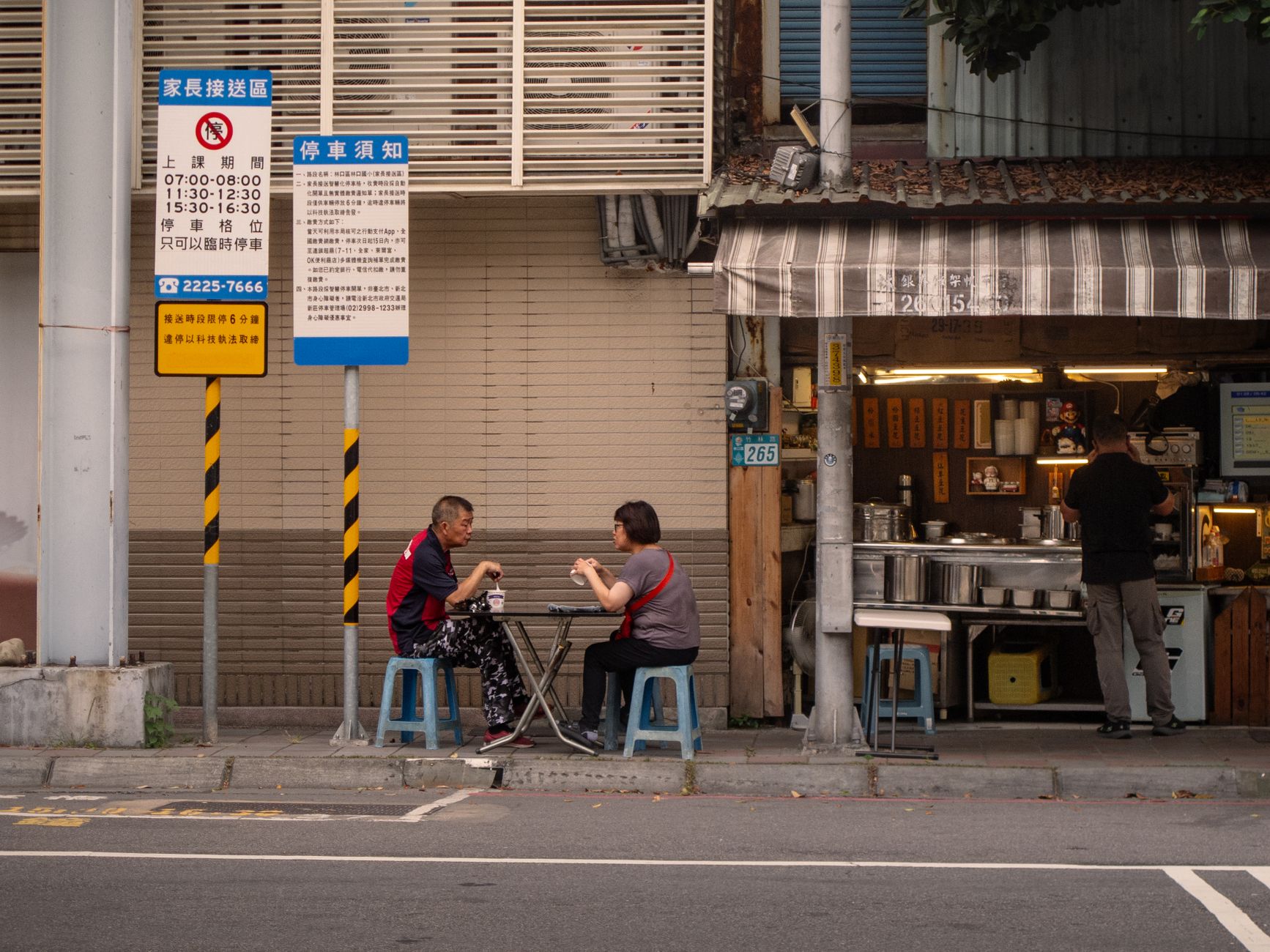
The Pillars of the Local Grocery Store
Rice (Nasi)
More than just a side dish, it is the heart of Malaysian life. Whether cooked in coconut milk for Nasi Lemak or stir-fried over a high flame for Nasi Goreng, rice defines the structure of the meal. For expatriates, learning to distinguish Basmati rice (often used in Indian dishes) from local long-grain rice is a key step in integration.

The Spice Trilogy
Lemongrass (Serai), Ginger, and fresh Turmeric form the base of almost all "Rempahs" (spice pastes). Unlike European powdered spices, fresh rhizomes are used here for an explosion of flavors.
Coconut Milk (Santan)
The ultimate in creaminess. It softens the heat of chilies in curries and brings a velvety depth to Rendang. Always favor fresh "Santan" from the morning market.
Chili: Art and Mastery
From the small, extremely spicy "Cili Padi" (Bird's eye chili) to the larger, milder red chili, managing heat is an art. As an expatriate, start slowly. Always ask "Tak nak pedas" (not spicy) if you are just starting out.
- • Sambal Belacan
- • Pickled chilies
- • Harissa paste (rare)
- • Curry laksa

Culinary Substitutes Simulator
Cooking a Malaysian recipe but missing an ingredient? Use our tool to find equivalents available in European or Malaysian grocery stores.
Select an ingredient to see recommended alternatives from our expatriate chefs.
The Soul of the Street: Markets and Hawkers
To eat like a local, you must leave the air-conditioned malls. Discover the iconic places where gastronomy comes to life every day.

Chow Kit Market (KL)
The largest traditional market in Kuala Lumpur. Ideal for fresh produce, dried fish, and bulk spices.
Authentic
Jalan Alor (Street Food)
A night-time foodie paradise. From roasted duck to fried durian, it is the epicenter of Chinese street food.
Unmissable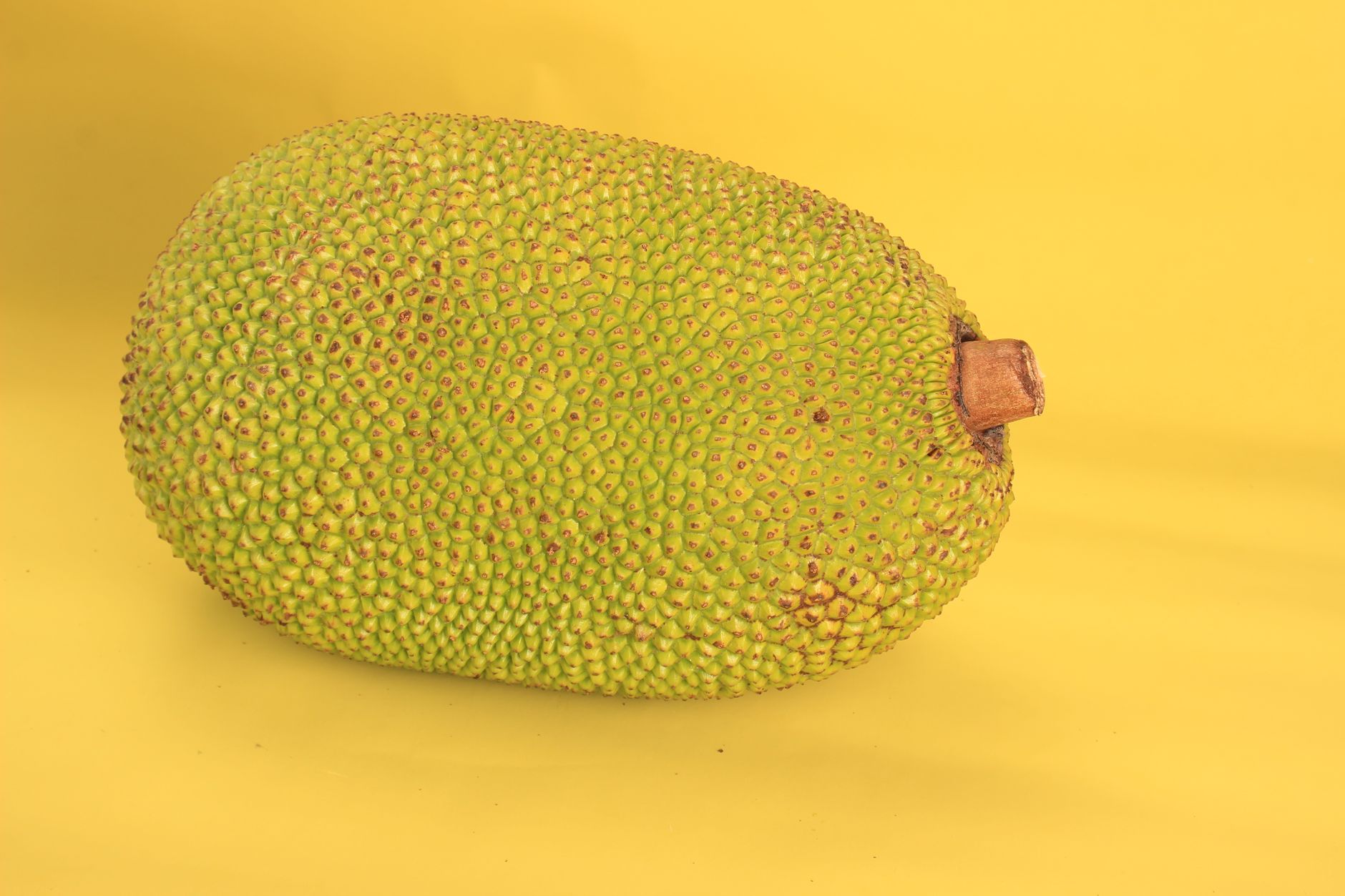
Central Market (Kota Bharu)
A burst of color on the East Coast. Specialty colored rice dishes (Nasi Kerabu) and traditional cakes.
CulturalThe Must-Try Dishes
Nasi Lemak
Considered the national dish, Nasi Lemak transcends all cultures in Malaysia. This rice, infused with coconut milk and pandan leaves, is traditionally served with Sambal (chili paste), fried anchovies (Ikan Bilis), roasted peanuts, cucumber slices, and a hard-boiled egg.
Pairings
Ayam Goreng (Fried chicken) or Rendang.
Tip
Eat it in a banana leaf for more flavor.

Satay & Peanut Sauce
Malaysian Satay is distinguished by its marinade rich in turmeric and lemongrass. These chicken, beef, or lamb skewers are grilled over charcoal, giving them an inimitable smoky taste. They are served with "Ketupat" (compressed rice) and a smooth peanut sauce, both sweet and spicy.
- Key ingredient: fresh Galangal in the marinade.
- Cooking: Always over a wood fire for authenticity.
- Variants: Try Satay Kajang for more generous skewers.

"The secret of a good satay lies in the fat-to-lean meat ratio to keep the meat juicy during grilling." - Chef Aris

Laksa: The Soup with Character
Laksa is a culinary battlefield in Malaysia: every state claims to possess the best version. KL's Curry Laksa is smooth and creamy, while Penang's Asam Laksa is tangy and fish-based. Sarawak Laksa, meanwhile, is a spicy and earthy marvel.
Noodle Lexicon:
Mee (Egg noodles), Bihun (Rice vermicelli), Kuay Teow (Flat rice noodles).
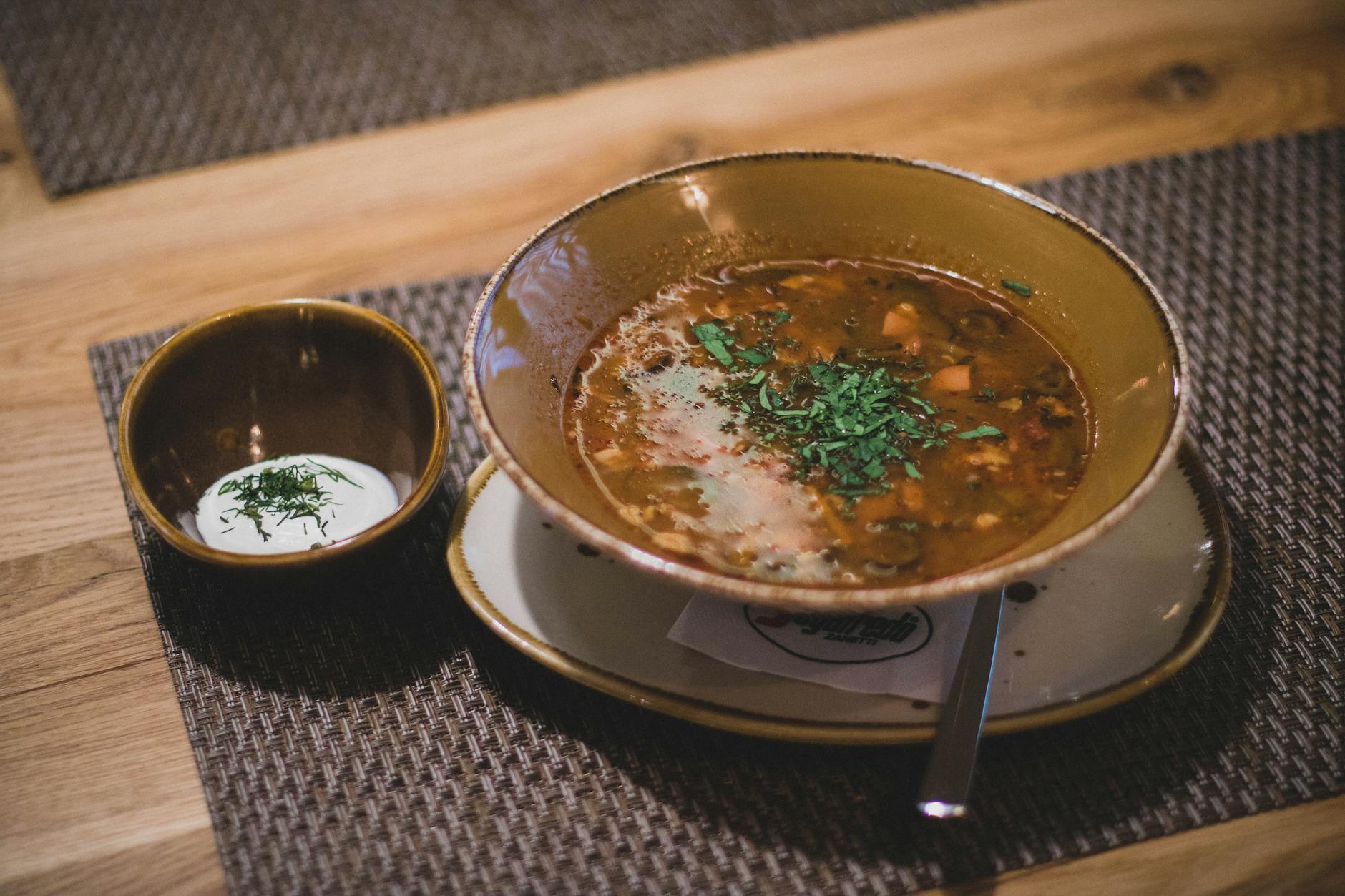
Table Etiquette in Malaysia
Right Hand Only
In traditional Malay or Indian contexts, food is eaten with the fingers. Golden rule: never use your left hand to touch food; it is considered impure.
Respecting Halal
As the majority of the population is Muslim, pork is absent from Malay cuisine. Be sure to check the "Halal" status of restaurants if you are inviting Malay friends. For more details, consult our local customs.
The Art of Sharing
Dishes are often placed in the center of the table. Do not serve yourself large portions at once. Take a little of each dish as you go along.
The Tea Ritual
The meal often ends with a Teh Tarik (pulled tea). It is a crucial social moment. Discover more about the tea and coffee culture.
Dining Budget 2026
| Meal Type | Typical Location | Average Price (MYR) | Experience |
|---|---|---|---|
| Street Food / Hawker | Local Hawker Centres | 8 - 15 MYR | Popular, noisy, delicious |
| Modern Café (Brunch) | Bangsar / Mont Kiara | 35 - 60 MYR | Air-conditioned, Wi-Fi, aesthetic |
| Traditional Restaurant | Bijan / OpenHouse | 80 - 150 MYR | Refined, full service |
| Fine Dining (Michelin) | Dewakan / DC Mall | 400+ MYR | Gourmet, creative |
Source: Analysis of the cost of living in Malaysia (July 2026).
Frequently Asked Questions about Malaysian Cuisine
Is it safe to eat street food? +
Yes, generally. Favor stalls with a high turnover of local customers. It is the best indicator of freshness. Consult our guide on safety in Malaysia for more health advice.
Where can I find French products (cheese, wine)? +
Supermarkets like Village Grocer, Ben's Independent Grocer (B.I.G), or Jaya Grocer offer well-stocked international sections. To find out more, read our page on daily life and shopping.
Is Malaysian cuisine too spicy for Europeans? +
It can be, but there are many mild dishes like Hainanese Chicken Rice or Roti Canai. Always ask for "Tak nak pedas" (not spicy) or "Pedas sikit" (a little spicy).
What are the best drinks to accompany a meal? +
Teh Tarik (milk tea) or Air Bandung (rose milk) are classics. To refresh yourself, try a lime juice (Limau Ais).
Are there vegetarian options? +
Absolutely! Indian restaurants ("Mamak") offer a multitude of vegetarian dhal, vegetables, and breads (Roti). Chinese Buddhist restaurants also offer "mock meat" alternatives.
What is Durian and why is it controversial? +
It is the "King of Fruits". It is famous for its very strong smell (often forbidden in hotels and transport) but loved for its creamy texture. It is an experience to be had at least once!
Want to become a local cuisine expert?
Join our forum to share your recipes, find the best addresses, and ask your questions to the community.